🌐 هل تريد النسخة العربية؟ اضغط هنا للتبديل
🌿 Natural Therapeutic Dietary System

The Tayyebat Diet

The dietary approach by Dr. Diaa Al-Awadi — Professor at Ain Shams University & Therapeutic Nutrition Consultant

🥩 Red Meat
🐟 Fresh Fish
🍚 Rice & Freekeh
🫒 Natural Fats
🍎 Selected Fruits
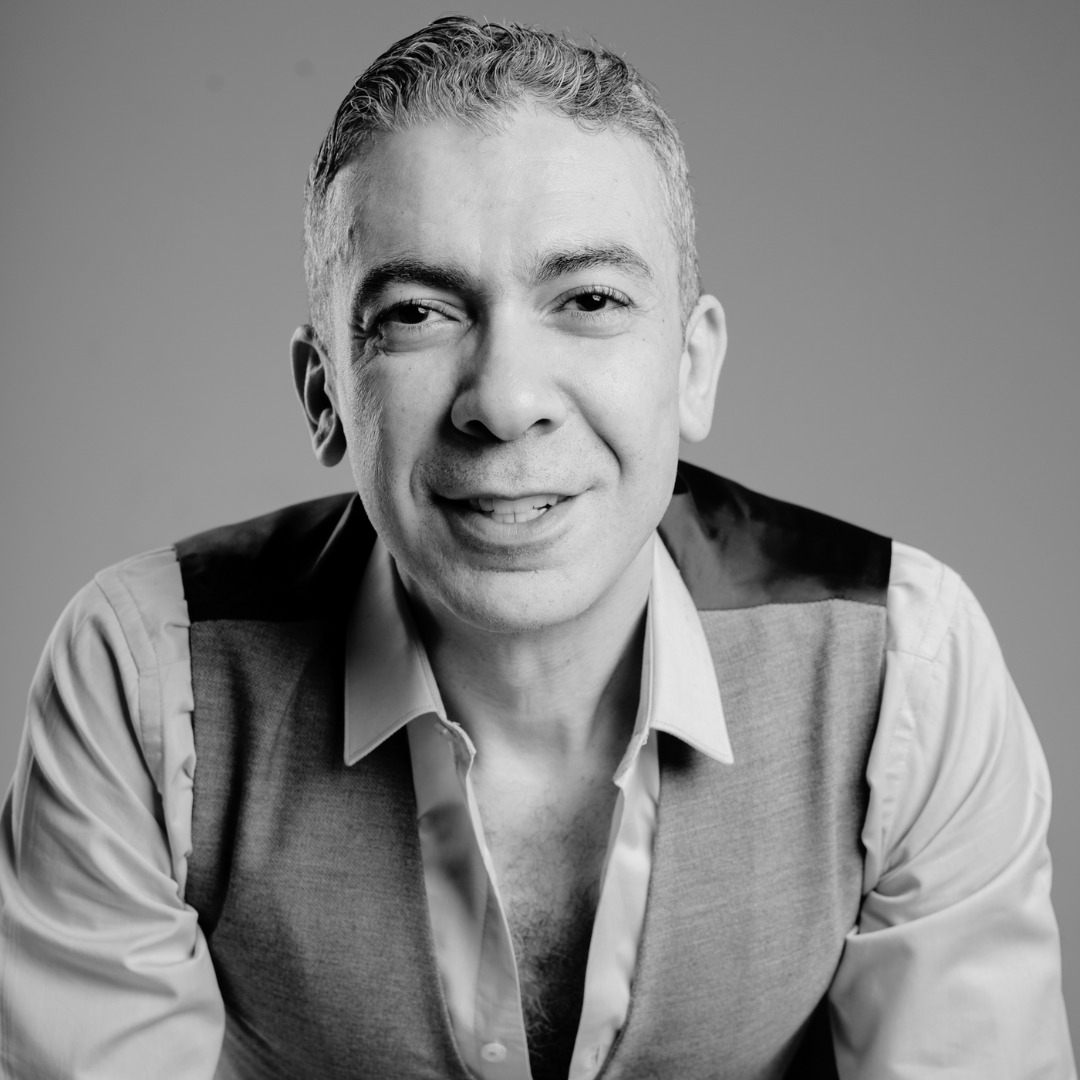
Dr. Diaa Al-Awadi

Dr. Diaa Al-Awadi

A distinguished Egyptian physician, professor at the Faculty of Medicine at Ain Shams University, and a consultant in therapeutic nutrition and pain management. He was known for his unconventional approach that challenged traditional dietary norms, and he founded the Tayyebat Diet, which gained widespread recognition across the Arab world. He passed away in mysterious circumstances in April 2026 at the age of 47.

🎓
Professor at Ain Shams University Faculty of Medicine — Cairo, Egypt
🏥
Consultant in Anesthesia, Intensive Care, Therapeutic Nutrition & Pain Management Private clinic in Dubai, UAE
🌍
Member, American Society for Obesity & Hormonal Disorders and the European Society for Therapeutic Nutrition

System Philosophy

The system doesn't rely on deprivation or calorie counting, but on choosing foods the digestive system handles with ease.

🌿

"Good" vs "Harmful" Foods

Food is divided into "Tayyebat" (pure foods) that nourish the body and aid healing, and "Khabaith" (harmful foods) that burden the gut and lead to chronic inflammation.

🧈

Natural Fats Are Beneficial

Dr. Al-Awadi believed natural fats like clarified butter and cream are not a direct cause of arterial blockage — contrary to mainstream conventional wisdom.

🕐

Eat Only When Hungry

No fixed meal times, no measured portions — "Eat when you're hungry, eat until you're full, then stop." Stopping at satiation is the one golden rule.

🔥

Internal Combustion

The system holds that physical inactivity — not fat — is the root cause of weight gain, and encourages simple, consistent daily movement.

🚫

No White Flour

White flour and its products are at the top of the forbidden list. They slow digestion and ferment in the intestines, causing bloating and chronic discomfort.

🐟

Protein Every Other Day

Daily protein is discouraged. Alternating protein days gives the digestive system adequate time to rest, recover, and function optimally.

Allowed & Forbidden

A detailed list of what's permitted and what's not in the Tayyebat Diet.

🍞 Bread & Grains

🍞 Whole wheat bread (brown / wholemeal / bran bread)
🍚 Rice (all forms)
🌾 Freekeh
🌽 Corn
🍟 Potatoes (fried/boiled/sautéed)
🍠 Sweet potato, pumpkin, taro
🍄 Mushrooms

🧈 Healthy Fats & Dairy

🫒 Olive oil
🧈 Butter & clarified butter
🥛 Cream
🧀 Cheddar & mozzarella
🧀 Kashkaval & parmesan
🔺 Processed cheese (triangles)
🧀 Rumi cheese (quality brand)

🥩 Meat & Protein

🥩 Beef / buffalo (once/week)
🐑 Lamb (twice/week)
🫀 Lamb liver
🥩 Ground meat
🥩 Veal (كندوز)
🍖 Trotters, head meat, mombar & akawi
🐟 Wild-caught sea fish (not farmed)
🦀 Crab (kaboria)
🐦 Pigeon & quail (grilled only)
🐇 Rabbit

🍎 Fruits & Juices

🍎 Apple & pear (peeled)
🥭 Mango juice only
🍓 Strawberry & kiwi
🫐 Blueberries, raspberries & blackberries
🍇 Pomegranate (strained juice)
🌵 Prickly pear (juice)
🍈 Guava (seedless)
🎋 Sugarcane juice
🧃 Packaged juices
🍑 Persimmon (peeled)
🍌 Banana, grapes, dates, figs

🍯 Sweets & Treats

🍫 Chocolate & Nutella
🍯 Honey, jam & dried fruits
🌿 Tahini & tahini halva
🍬 Moulid sweets (حلاوة المولد)
🍮 Jello / gelatin
🍰 Basbousa (from shops only)
🌰 Sunflower / pumpkin seeds
🍟 Chips / crisps

☕ Beverages

Coffee (no creamer)
🍵 Green tea
🫖 Natural hot drinks

🫒 Condiments & Extras

🫒 Olives & pickled lemon (moderate)

⚠️ Vegetables — Exceptions (Use with Caution)

These vegetables are not fully allowed and should not be eaten every day. They are permitted as a rare exception only, and are ranked below from least to most potentially discomforting. If you feel any bloating or discomfort after eating them, stop immediately and avoid them going forward.
🥒 Zucchini 2nd degree
🫘 Okra 3rd degree
🍆 Eggplant 4th degree
🌿 Molokhia 5th degree ⚠️ Avoid as much as possible

🍞 White Flour & Baked Goods

🥖 White bread (all types)
🥐 Croissants & pastries
🎂 Cake & gateaux
🍪 Biscuits & cookies
🍕 Pizza & flatbread
🍝 Pasta & lasagna
🥜 Couscous & phyllo pastry
🍩 Fried dough sweets
🧇 Konafa (all types)
🍬 Malban, foulia & nougat

🥛 Forbidden Dairy

🥚 Eggs (any preparation)
🥛 Fresh milk & yogurt
🥛 Buttermilk & ayran
🧀 White cheese (all types)
🧀 Quresh cheese

🍗 Forbidden Poultry & Seafood

🍗 Chicken (all types)
🦆 Duck & turkey
🍗 Chicken liver & gizzards
🦐 Shrimp & squid

🥗 Forbidden Vegetables

🥒 Cucumber, lettuce & arugula
🌿 Parsley, celery & fresh coriander
🥕 Raw carrots
🫑 Colored peppers (raw or cooked)
🫑 Raw green peppers
🌿 Spinach
🟢 Peas & white beans
🫘 Cowpeas & fava beans

🍉 Forbidden Fruits

🍉 Watermelon
🍈 Cantaloupe / honeydew
🥜 Peanuts

🥤 Forbidden Drinks & Medications

🥤 Carbonated drinks (all types)
💊 Antacid medications (all)
Coffee with creamer
1

Eat only when truly hungry — No fixed meal schedule. Your body knows when it needs fuel.

2

Eat until satisfied, then stop — No calorie counting, no measuring portions.

3

Protein every other day — Give your digestive system a full rest day between protein meals.

4

Beef / buffalo once a week — Must be well boiled first, then sautéed in clarified butter.

5

Lamb is more flexible — Can be consumed up to twice a week.

6

Fish is best grilled — Avoid shrimp and squid from all seafood options.

7

All fruits are allowed — Except watermelon and cantaloupe. Pomegranate and prickly pear should be juiced and strained.

8

Pickles in moderation — Olives and pickled lemon are allowed in reasonable amounts.

9

Basbousa from shops only — Homemade versions typically include eggs and milk, which are forbidden.

10

No antacids — The system holds that following the diet itself resolves acidity issues.

11

Drink water only when thirsty — There is no need to force yourself to hit a daily water target. Your body signals its need for water through thirst. Overloading your system with excessive water consumption is not recommended.

⚠️

Important Medical Notice: The Tayyebat Diet is controversial within the medical community. The Egyptian Medical Syndicate has taken legal action regarding some of its recommendations. Please consult your physician before making any significant dietary changes, especially if you have a chronic condition.

Meal Ideas on the Tayyebat Diet

Practical meal suggestions using only allowed foods — breakfast, lunch, dinner, and snacks.

🍞

Toast with Cheese & Jam

Quick & Easy
🍞 Whole wheat toast 🧀 Processed cheese 🍓 Jam

A light, balanced start to the day. Use laughing cow or similar processed cheese.

🍯

Toast with Tahini & Honey

Natural Energy
🍞 Whole wheat toast 🌿 Tahini 🍯 Honey

Tahini provides natural fats and minerals. Drizzle honey on top for sweetness.

🧈

Toast with Butter & Olives

Classic & Filling
🍞 Whole wheat toast 🧈 Butter 🫒 Olives

A traditional-style breakfast. Keep olives in moderation.

🍫

Toast with Nutella & Banana

Sweet Start
🍞 Whole wheat toast 🍫 Nutella 🍌 Banana

Chocolate spread is allowed. Pair with a banana for natural sugars.

🌽

Buttered Corn on the Cob

Warm & Simple
🌽 Whole corn cob, boiled 🧈 Butter

Boil the corn until tender and rub with butter while still hot. A filling, easy breakfast that's gentle on the stomach.

🍯

Toast with Cream & Honey

Indulgent & Quick
🍞 Whole wheat toast 🥛 Table cream (qeshta) 🍯 Honey

Spread a generous layer of cream on the toast and drizzle honey on top. Rich in natural fats — a luxurious yet allowed breakfast.

🥛

Cream with Honey & Dates

Natural Sweet Bowl
🥛 Table cream (qeshta) 🍯 Honey 🌴 Dates

Spoon cream into a bowl, drizzle with honey and serve dates on the side. A naturally sweet, satisfying treat with no added sugar.

🍖

Beef with White Rice

Main Dish
🥩 Beef (boiled then sautéed) 🍚 White rice 🧈 Clarified butter (ghee)

Boil the beef well first, then sauté in ghee. This is the recommended preparation method in the system.

🐟

Grilled Sea Fish with Freekeh

Light & Nutritious
🐟 Wild-caught sea fish 🌾 Freekeh 🫒 Olive oil

Grill the fish with olive oil. Freekeh is a wholesome grain rich in fibre.

🫙

Lamb with Freekeh

Hearty Meal
🥩 Lamb (slow-cooked) 🌾 Freekeh 🧈 Ghee

Slow-cook the lamb until tender, serve on a bed of freekeh cooked in the broth.

🫀

Beef Liver with Rice

Iron-Rich
🥩 Beef liver 🍚 Rice 🧈 Ghee 🫒 Pickled lemon

Sauté liver in ghee on high heat. Serve with pickled lemon on the side.

🥔

Beef with Roasted Potatoes

Hearty Comfort Meal
🥩 Beef (boiled then sautéed) 🥔 Roasted potatoes 🧈 Ghee or butter

Roast potatoes in butter or olive oil until golden. A filling, wholesome plate with no white flour.

🥔

Grilled Fish with Mashed Potato

Light & Smooth
🐟 Wild-caught sea fish 🥔 Mashed potato 🧈 Butter

Mash the potatoes with butter (no milk). A great alternative to rice on fish days.

🥔

Lamb with Boiled Potatoes

Simple & Satisfying
🥩 Lamb pieces 🥔 Boiled potatoes 🧈 Ghee 🫒 Olive oil drizzle

Cook potatoes in the lamb broth for extra flavour. Finish with a drizzle of olive oil.

🥔

Potato & Beef Bake

Oven Dish
🥩 Beef strips 🥔 Sliced potatoes 🧈 Butter 🫒 Olive oil

Layer sliced potatoes and beef in a tray, drizzle with butter and olive oil, bake until golden.

🍠

Taro & Beef Stew

Classic Egyptian Dish
🥩 Beef chunks or minced beef 🍠 Peeled & diced taro 🧈 Ghee 🫒 Olive oil

Cook the beef and taro together in a rich broth. Taro is a great alternative to potatoes — creamy texture, deeply satisfying.

🍠

Sautéed Taro with Ghee

Crispy Side Dish
🍠 Pre-boiled taro, cubed 🧈 Ghee

Boil the taro until tender first, then pan-fry in ghee until golden. Serve alongside meat or fish.

🎃

Pumpkin with Meat & Rice

Warm & Filling
🥩 Beef or lamb 🎃 Pumpkin, diced 🍚 White rice 🧈 Ghee

Add the pumpkin to the meat broth and let it soften into a velvety consistency. Serve over rice or on its own as a stew.

🎃

Pumpkin & Beef Bake

Easy Oven Dish
🥩 Beef strips 🎃 Pumpkin slices 🧈 Butter 🫒 Olive oil

Layer pumpkin slices and beef in a baking tray, drizzle with butter and olive oil. Roast at 200°C until caramelised and golden.

🥩

Ground Beef Kofta with Rice

Classic & Satisfying
🥩 Ground beef 🍚 White rice 🧈 Ghee

Shape the ground beef into kofta and cook on a grill or in a pan with ghee. Serve over rice cooked in the meat broth.

🍄

Ground Beef & Mushroom Sauté

Rich & Quick
🥩 Ground beef 🍄 Sliced mushrooms 🧈 Butter 🍚 Rice or freekeh

Brown the ground beef and mushrooms together in butter until the sauce thickens. Quick to make and deeply flavourful.

🦀

Grilled Crab with Olive Oil & Lemon

Seafood Lunch
🦀 Fresh crab 🫒 Olive oil 🍋 Fresh lemon

Grill the crab brushed with olive oil. An excellent lean seafood protein. Serve with a squeeze of fresh lemon.

🐟

Grilled Fish with Whole Wheat Bread

Light Dinner
🐟 Wild-caught sea fish 🍞 Whole wheat bread 🫒 Olives

A light, easy dinner. Fish is a great dinner protein as it's easier to digest than red meat.

🥩

Beef Steak with Rice

Satisfying
🥩 Beef steak 🍚 Rice 🧈 Butter

Remember: avoid protein two days in a row. Plan a rest day before or after.

🧀

Toast with Cheese & Jam

Easy Evening Meal
🍞 Whole wheat toast 🧀 Processed cheese 🍓 Jam or honey

On a protein rest day, a light toast dinner is perfectly sufficient.

🎃

Pumpkin Soup with Butter

Light & Warming Dinner
🎃 Boiled & blended pumpkin 🧈 Butter 🍞 Whole wheat toast

Blend boiled pumpkin with a ladle of meat broth and a knob of butter. A warm, light soup that's perfect for an evening meal.

🍠

Boiled Taro with Grilled Fish

Natural Protein & Carbs
🐟 Wild-caught sea fish 🍠 Boiled taro 🫒 Olive oil

Boiled taro is a lighter alternative to potatoes alongside fish. Its soft texture absorbs olive oil beautifully.

🍄

Mushrooms on Toast

Light Evening Meal
🍄 Sliced mushrooms 🧈 Butter 🍞 Whole wheat toast

Sauté the mushrooms in butter until they shrink and concentrate in flavour, then pile onto toast. A light but satisfying dinner.

🦀

Crab Sauté with Butter

A Taste of the Sea
🦀 Crab (boiled or fresh) 🧈 Butter 🍋 Lemon

Melt the butter until fragrant, then toss in the crab and coat well. A luxurious yet quick dinner.

🍌

Fresh Fruit

Anytime
🍌 Banana 🍎 Apple (peeled) 🍇 Grapes 🫐 Strawberry

Most fruits are allowed. Eat only when genuinely hungry — not out of habit.

🍫

Chocolate & Dates

Sweet Treat
🍫 Dark chocolate 🌴 Dates

Both are allowed on the system. A satisfying snack without white flour.

🌰

Seeds & Halva

Energy Snack
🌰 Sunflower seeds 🌿 Sesame halva

A great filling snack packed with natural fats and minerals.

🥭

Fresh Fruit Juice

Refreshing
🥭 Mango juice 🍇 Pomegranate juice 🌵 Prickly pear juice

Freshly made juices are encouraged, especially for fruits that are harder to digest whole.

🌽

Grilled Corn or Popcorn

Allowed Snack
🌽 Grilled corn with butter 🍿 Plain popcorn

Buttered grilled corn is filling and natural. Plain popcorn (without artificial flavourings) is also a light allowed snack.

🍟

Potato Chips

Quick Snack
🍟 Potato chips / crisps

Chips are allowed on the Tayyebat Diet. Opt for varieties fried in natural vegetable oil with minimal artificial additives.

🫐

Mixed Berry Bowl

Natural Antioxidants
🫐 Blueberries 🍇 Raspberries 🖤 Blackberries 🍓 Strawberries

All berry varieties are allowed and packed with antioxidants. A light, refreshing snack at any time of day.

🫐

Berries with Cream & Honey

Natural Dessert
🫐 Fresh mixed berries 🥛 Table cream (qeshta) 🍯 Honey

Layer fresh berries over cream and drizzle with honey. A wholesome, satisfying dessert that replaces anything processed.

🍖

Clear Beef Bone Broth

The Foundation
🥩 Beef or lamb bones 🧈 Ghee

Simmer bones for several hours until collagen and minerals are fully released. Serve as a standalone soup or use as a base for any other dish.

🌾

Lamb & Freekeh Soup

Hearty Levantine Classic
🐑 Lamb pieces 🌾 Freekeh 🧈 Ghee

Cook the lamb until tender then add freekeh and let it absorb the broth. A thick, filling soup that works as a complete lunch.

🍄

Creamy Mushroom Soup

Warm & Velvety
🍄 Fresh mushrooms 🧈 Butter 🥛 Table cream (optional) 🍞 Toast to serve

Sauté mushrooms in butter then add meat broth. Blend a portion for a creamy consistency. Add cream for extra richness.

🍠

Taro & Beef Soup

Smooth & Satisfying
🍠 Peeled & diced taro 🥩 Beef 🧈 Ghee

Cook the taro in beef broth until it softens and melts into a smooth consistency. Rich and filling — works for both lunch and dinner.

🐟

Fish & Rice Soup

Light & Easy
🐟 Wild-caught sea fish 🍚 White rice 🫒 Olive oil

Boil the fish and use the broth as a base, then add rice. A light, easy-to-digest soup perfect for dinner or rest days.

🦀

Crab Bisque

Luxurious Seafood Soup
🦀 Fresh crab 🧈 Butter 🥛 Table cream

Boil the crab and use the rich broth as a base. Add butter and cream for a velvety bisque with deep seafood flavour.

🥔

Potato Soup with Butter

Creamy & Simple
🥔 Boiled & mashed potatoes 🧈 Butter 🥛 Table cream (optional)

Blend boiled potatoes with butter and meat broth until smooth. Add cream for a thicker, richer texture.

🌽

Creamy Corn Soup

Naturally Sweet & Golden
🌽 Sweet corn 🥛 Table cream 🧈 Butter

Blend boiled corn with cream and butter. A naturally sweet soup with a beautiful golden colour — ideal for a light dinner.
How to Get Started

Simple steps to gradually transition into the Tayyebat Diet.

🛒

Start with your shopping cart

Remove white flour, eggs and milk from your list. Replace them with whole wheat bread, rice and the allowed cheeses.

📅

Plan your protein weekly

Map it out: red meat day → rest day → fish day → rest day → repeat. This gives your gut time to recover.

🥩

Boil beef, then sauté

Beef must be boiled thoroughly first, then sautéed in clarified butter. This is the recommended preparation method.

🍎

Juice some fruits

Mango is allowed as juice only. Pomegranate and prickly pear are also better as juice — it reduces long fibers that may slow digestion.

🧘

Listen to your body

Only eat when genuinely hungry. The system distinguishes between real hunger and emotional eating cravings.

🚶

Movement is essential

The system is incomplete without physical activity. Simple daily walking makes a significant difference in results.

How It Works

A plain-language breakdown of what your body goes through during every meal — and why certain foods leave you feeling awful afterwards.

1

📍 Where Does It All Begin? The Duodenum

Your stomach doesn't empty all at once — it sends food down in small batches to a section of the small intestine called the duodenum. With every batch that arrives, the body sends a signal to release hormones. This cycle continues for roughly two hours until the stomach is fully empty.

⚠️ Note — morning antacids: Taking acid-suppressing medication (like omeprazole) on an empty stomach disrupts this cycle from the very start — it blocks stomach acid, so the correct signal never reaches the duodenum and the four hormones never fire in the right sequence.
🔼

Hormones Switched ON While Eating

  • Insulin Takes the sugar and protein you ate and converts them into fat and starch, storing them in the liver, muscles, and belly
  • Gastrin Raises stomach acid to digest food — and it activates histamine as a side effect
  • Histamine Triggers digestive enzymes — but with forbidden foods it floods the body in excessive amounts, causing symptoms
  • Serotonin Makes you feel happy and satisfied while eating — that's genuinely biochemical, not just enjoyment — but it also slows down stomach movement and temporarily raises your heart rate, which explains the palpitations some people feel after a heavy meal
🔽

Hormones Switched OFF While Eating

  • Glucagon Burns stored fat — completely off for the full two hours
  • Growth Hormone Builds muscle and burns fat — switched off
  • Testosterone Drives energy, vitality, and focus — switched off
  • Cortisol Keeps the body balanced under stress — switched off

💡 In total, 7 to 8 hormones in the body are "anti-insulin" — they are all on standby, waiting for the two-hour window to end before they can do their job.

2

😴 Why Do You Feel Sleepy and Heavy After Eating?

While digesting, blood concentrates in the abdomen and pelvis to support the process — leaving your brain and muscles with a reduced supply. This isn't laziness, it's your body's design. On top of that, serotonin slows down stomach movement, creating that "heavy digestion" feeling after a meal. This is why the system advises against intense physical activity right after eating.

⚠️

Forbidden Foods = Histamine Overload

With normal allowed foods, histamine is released in a controlled amount, does its job, and clears. But with forbidden foods — like eggs, chicken, yoghurt, or white flour — histamine floods out in far larger quantities than digestion needs. The result is a list of symptoms most people never connect back to what they ate:

🌡️ Hot flashes & body heat
🫁 Nasal & sinus congestion
💧 Water retention & bloating
❤️ Heart palpitations
🩹 Eczema & skin itching
🦴 Joint & muscle aches
👁️ Dry or blurry eyes
😤 Snoring & throat fatigue
🫲 Swollen fingers in the morning

🌡️ Hot flashes aren't always hormonal: Women over 35 are often told their hot flashes are a "hormonal issue." Dr. Diaa argues that in most cases the actual trigger is a histamine response to food — not the hormonal transition itself. On a related note: inflammation makes the blood thicker and more viscous, because the immune system floods the bloodstream with proteins and immune cells — this slows circulation and explains the heavy, sluggish feeling many people get after eating forbidden foods.

⏱️

Two hours after your last bite, insulin clears from the blood and your body enters repair and burn mode. Four processes start simultaneously: breaking down stored starch, burning stored fat, producing sugar from the body's own reserves, and generating ketone bodies (a sign of a healthy, functioning liver). If you eat again before the two hours are up, the clock resets — and no burning happens.

3

📦 Insulin Turns Your Body Into a Storage Unit

Insulin has exactly one job: take the sugar and protein you ate and convert them into fat and starch — stored in the liver, muscles, belly, and under the skin. If insulin stays active non-stop because you eat frequently or eat forbidden foods, the liver becomes "fatty and starchy." That's the beginning of a chain reaction. Fat and starch can even deposit in the narrow tunnels where nerves pass through the wrist — which is one explanation for carpal tunnel syndrome in some people. At the muscle level, chronically high insulin makes muscle fibres look bigger from the outside but packed with starch and fat rather than actual muscle tissue — so the muscle appears large but fatigues quickly and loses its real strength. There is also an elevated risk of amyloid deposits (accumulated protein clusters) building up in tissues with high concentrations of insulin receptors, which helps explain why insulin-related symptoms can appear in unexpected parts of the body.

🧪

Cholesterol Isn't Your Enemy — It's Your Hormone Factory

Once insulin clears after the two-hour window, the liver produces cholesterol — not because it's harmful, but because cholesterol is the raw material for four things your body absolutely needs:

☀️ Vitamin D
Sex hormones (testosterone & oestrogen)
🧠 Cortisol (your stress balancer)
🫘 Bile salts (for digesting fats)

When insulin is chronically elevated, the liver can't produce cholesterol properly. The result? Vitamin D deficiency, hormonal weakness, and poor fat digestion — many people complaining of low Vitamin D or hormonal issues may have diet as the root cause.

4

🔄 Why Are You Always Hungry and Unable to Focus?

Insulin sweeps sugar out of the bloodstream and into storage quickly — so the brain senses that sugar is low and asks for more food, even if you just ate. The result: constant hunger, fatigue, difficulty concentrating, and occasional hand or leg tremors. Not because you actually need food, but because insulin stored it before it could reach your brain. When you cut out forbidden foods and insulin comes down, the body can finally use its stored energy the way it was designed to.

5

😤 Stress and Arguments Raise Blood Sugar — No Food Required

Blood sugar doesn't need food to rise. Any psychological stress — a fight, anxiety, tension — triggers cortisol to signal the liver to manufacture extra sugar in preparation for a threat response. This is why many diabetics find high readings on stressful days even when they followed their diet perfectly. Sugar that the body "manufactured" in response to emotional stress is not a failure of the diet — it's a normal response from the body's survival system.

A Real Example: The Child Who Collapsed on the Pitch

Dr. Diaa tells the story of a child who ate a banana-and-jam sandwich before a football match. He completed the first half fine — then suddenly collapsed, drenched in sweat and exhausted. The reason: the meal triggered a spike in insulin that rapidly swept all the sugar out of the blood into storage. When his muscles needed fuel during the run there was nothing left. The crash wasn't from hunger — it was from insulin working too efficiently at exactly the wrong moment. This is known as "reactive hypoglycaemia" — a blood sugar crash triggered by a high-carbohydrate meal.

🦂

The Real Problem: Your Body's Reaction, Not the Food Itself

Dr. Diaa uses a simple analogy: "A scorpion's venom doesn't kill you — your body's histamine reaction to it is what kills you." The same principle applies here: eggs, chicken, and milk aren't poisons in themselves, but your body's excessive histamine response to them is what causes the symptoms. This is also why the same food affects some people far more than others — every person's response threshold is different.

Opposing Opinions & Criticisms

A number of doctors and nutrition specialists have raised legitimate concerns about the Tayyebat Diet. We present these views in the interest of transparency and balanced information.

🥚

Eliminating eggs, legumes, and dairy deprives the body of essential nutrients

Many nutrition specialists consider eggs, lentils, and dairy among the most complete and affordable sources of protein, B12, iron, and calcium. Blanket elimination without medical indication can lead to nutritional deficiencies, particularly in children, pregnant women, and the elderly.

🔬

No peer-reviewed scientific evidence

The system has not been tested in controlled clinical trials. Without randomised controlled studies, it is impossible to confirm whether improvements attributed to the system are due to the diet itself, the elimination of ultra-processed foods, placebo effect, or other lifestyle changes made simultaneously.

💧

Limiting water intake contradicts medical consensus

Major health organisations, including the WHO and national medical bodies, recommend consistent daily water intake for kidney function, blood pressure regulation, and cellular health. The advice to drink only when thirsty — and to avoid "overloading" — contradicts evidence-based hydration guidelines, especially for physically active people and those in hot climates.

🍗

Avoiding poultry and white-fleshed fish is not justified by nutrition science

Chicken, turkey, and shrimp are widely recommended as lean, high-quality protein sources in global dietary guidelines. Their exclusion from the Tayyebat Diet is not supported by mainstream nutritional research and may unnecessarily restrict variety and affordability of meals.

🌿

Raw vegetables are among the most beneficial foods known to science

Cucumbers, leafy greens, and raw carrots are dense with fibre, antioxidants, and vitamins. Broad restrictions on raw vegetables are at odds with decades of epidemiological evidence linking high vegetable intake to lower rates of cancer, cardiovascular disease, and metabolic disorders.

⚠️

Risk of self-diagnosis and abandoning medical treatment

Critics warn that framing a dietary system as a cure or treatment for chronic diseases can lead followers to delay or abandon prescribed medical treatment. This risk is especially serious for patients with diabetes, autoimmune conditions, or gastrointestinal diseases that require monitored clinical management.

☠️

Dr. Waleed Shawqy: "The Tayyebat Diet kills"

Egyptian physician Dr. Waleed Shawqy has publicly and repeatedly stated that the Tayyebat Diet is dangerous and potentially fatal. He argues that the system's core restrictions — eliminating eggs, dairy, legumes, raw vegetables, and poultry simultaneously — can cause severe nutritional deficiencies, weaken the immune system, and are especially dangerous for people with chronic illnesses who follow it as a substitute for medical treatment. Dr. Shawqy has called for health authorities to investigate the system's widespread promotion.

Dr. Shawqy also argues that the correct principle is personalisation, not blanket elimination: each person should identify — ideally with their doctor — the specific foods that don't suit their own body, and cut only those. If milk causes you a problem, cut milk. If gluten causes you a problem, cut gluten. But you should not eliminate entire food groups simply because some people have allergies or intolerances to them. A healthy "diet" should be tailored to the individual, not imposed on everyone using the same template.

Watch Dr. Waleed Shawqy's video ↗

⚕️

Dr. Ahmad Abdul Malak: Two core criticisms from a family physician

Dr. Ahmad Abdul Malak — Kuwaiti family physician (@drdiverq8) — offers his critique respectfully and from a balanced position, acknowledging the value of nutrition. Yet he flags two fundamental issues:

  • A contradictory allowed list: The system permits canned juice, Nutella, and processed cheese — all ultra-processed — while banning eggs, dairy, and vegetables, which are among the most nutritious foods available.
  • The "pharma mafia" framing is dangerous: Portraying drug companies as a "mafia" to push people off their medications is medically harmful. Food and medicine complement each other; any influencer who promotes food-only solutions without directing followers to a doctor when needed is misleading them.

Watch Dr. Ahmad Abdul Malak's video ↗

🫀

Dr. Jamal Shaaban: Two serious blind spots in the system

Cardiologist and TV presenter Dr. Jamal Shaaban raises two core criticisms from a cardiovascular perspective:

  • Smoking: The system's tolerance of smoking contradicts all modern scientific evidence. Smoking is a primary cause of heart disease and arterial clots — no dietary system can compensate for that damage.
  • White sugar: Allowing large amounts of white sugar damages the lining of blood vessels — especially the coronary and cerebral arteries — significantly raising the risk of heart attacks and strokes.
⚖️

Our position: We present both the system's content and its criticisms so visitors can make an informed decision. This website does not endorse the Tayyebat Diet as a medical treatment. Always consult a qualified physician or registered dietitian before making significant changes to your diet.

📋

Legal Disclaimer & Disclosure

No affiliation with Dr. Diaa Al-Awadi: This website is completely independent and in no way affiliated with Dr. Diaa Al-Awadi, his family, or any entity representing him. Content is compiled from publicly available sources for educational purposes only.

For educational purposes only: All information on this website is strictly for educational and informational purposes and does not constitute medical advice, treatment, or diagnosis of any health condition.

Source of content — online material & videos, not scientifically proven: The information presented on this website is sourced from publicly available online content and videos by Dr. Diaa Al-Awadi. This system has not been subject to peer-reviewed scientific studies or approved clinical research, and there is no verified scientific evidence confirming its effectiveness or safety for all individuals.

Never stop your medications: No one should stop prescribed medications or adjust dosages based on this website or the Tayyebat Diet. Stopping medications without medical supervision may be life-threatening.

Always follow your doctor's orders: Your doctor's instructions take precedence over any dietary program or lifestyle system. Your physician is your first and final authority on all health matters.

A system for healthy individuals: The Tayyebat Diet is fundamentally a natural dietary program based on unprocessed, organic foods, suited to healthy individuals wishing to improve their lifestyle.

Chronic conditions require medical clearance: If you have diabetes, heart disease, kidney disease, or any other health condition, do not change your diet without consulting your supervising physician first.